
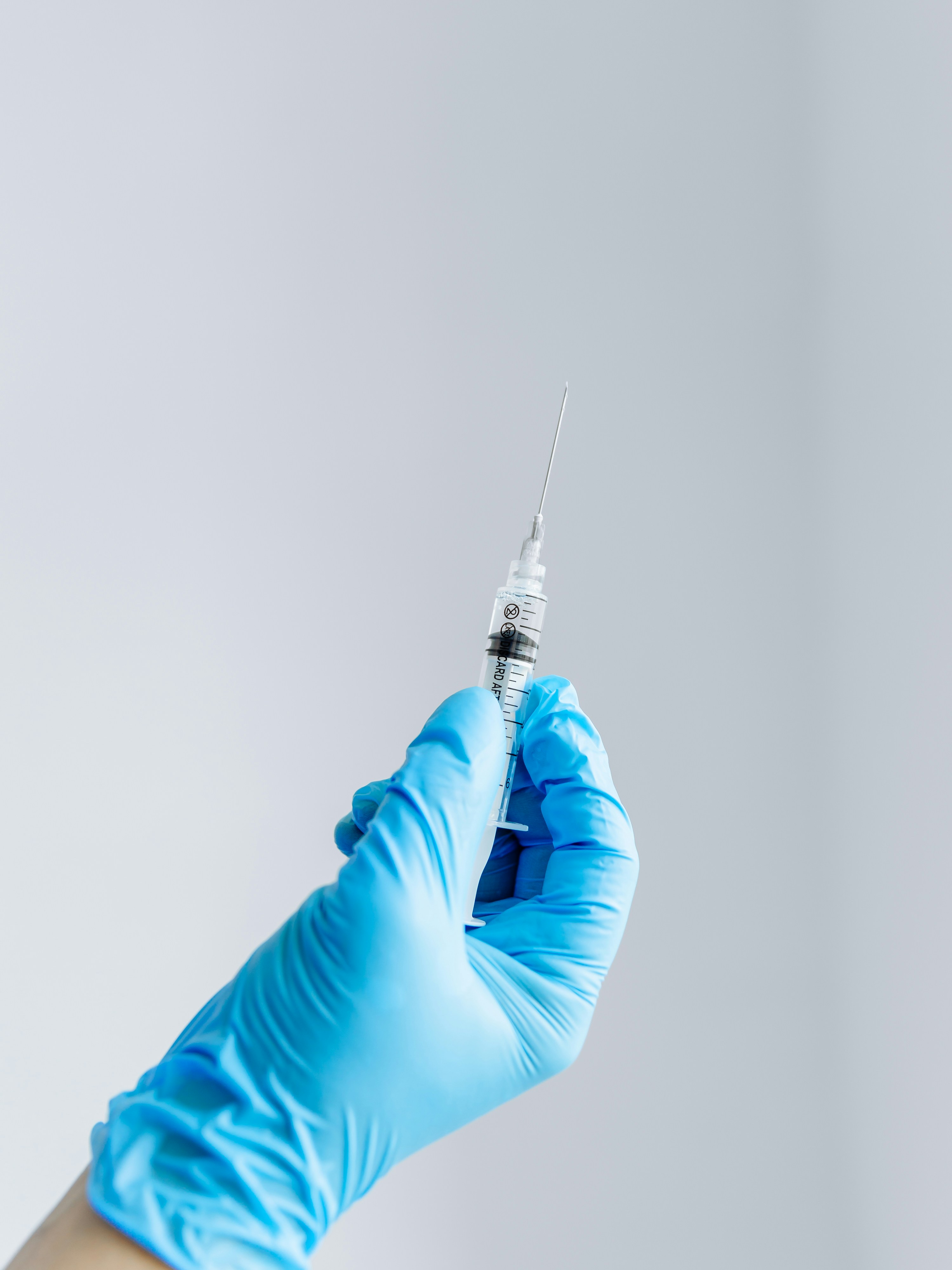
Vaccines train your immune system to recognize and fight infections without causing disease who.intmedlineplus.gov. They introduce harmless parts of a germ (killed/attenuated virus or a genetic blueprint) so the body makes antibodies and memory cells. If you later encounter the real germ, your body already knows how to defend itself. A complete vaccination triggers a stronger, more specific immune response than the disease itself would cause medlineplus.govwho.int. Vaccines protect both individuals and communities: when enough people are immunized, herd immunity shields the vulnerable (who can’t be vaccinated) by halting spread medlineplus.gov. In short, getting vaccinated is a safe way to build lasting immunity against serious illnesses.
Vaccine Components & Development
A vaccine contains the antigen (the germ’s weakened/dead parts or blueprint) and tiny amounts of other ingredients to boost safety and effectiveness who.intcdc.gov. Common additives include adjuvants (e.g. aluminum salts) that amplify the immune response who.intcdc.gov, stabilizers (like sugars or gelatin) to keep the vaccine potent, and preservatives (e.g. trace thimerosal in some multi-dose vials) to prevent contamination who.intcdc.gov. All ingredients are extensively tested for safety and serve specific purposes who.intwho.int.
Vaccine development follows a strict multi-stage process who.int. First, researchers identify a target antigen in the lab. Preclinical testing in animals evaluates safety and immune response. Then Phase 1-3 clinical trials in humans test safety, dosing, and effectiveness on increasing numbers of volunteers who.int. Only after thorough review by experts and regulators is a vaccine licensed. Manufacturing standards are extremely high to ensure each dose is safe and identical who.intwho.int. Even after approval, post-licensure monitoring continues to ensure vaccines remain safe over time.
Common Myths vs. Facts
- Myth: Vaccines cause autism or other disorders. Fact: Extensive studies show no link between any vaccine (or its ingredients) and autism cdc.govcdc.gov. For example, a CDC analysis found the number of vaccine antigens given to young children was the same in those with autism as without cdc.gov. Ingredients like thimerosal (a mercury-containing preservative once used in flu shots) were removed from most vaccines in 2001, yet autism diagnoses did not increase or decrease, confirming no causal link cdc.govcdc.gov. In short, vaccines do not cause autism or developmental issues cdc.gov.
- Myth: Vaccines contain harmful toxins. Fact: Vaccine ingredients are in extremely tiny, safe amounts. For example, the metal aluminum in some vaccines boosts immune response, but even sensitive people absorb more aluminum through food cdc.gov. Formaldehyde, used in trace amounts to inactivate viruses, is cleared by our bodies (we naturally make small amounts during metabolism). Modern single-dose vials are often thimerosal-free cdc.gov. All additives are tested to ensure safety. Regulatory agencies (CDC/FDA/WHO) continuously monitor safety cdc.govwho.int.
- Myth: Vaccines overwhelm a baby’s immune system (too many vaccines). Fact: A newborn’s immune system encounters thousands of germs every day; the handful of antigens in vaccines is minuscule by comparison. A CDC study showed that children with autism received the same total vaccine antigen load as other children cdc.gov. Vaccines are given on schedule because that timing best protects kids before they are likely to be exposed. Following recommended vaccine schedules keeps the immune load far below what children handle routinely cdc.govmedlineplus.gov.
- Myth: Natural remedies or herbs can replace vaccines. Fact: No herb or food has been proven to prevent viral infections the way vaccines do. Folk remedies (like garlic, ginger, herbal teas) may have general health benefits, but believing they make vaccines unnecessary is dangerous. Experts note that unproven “medical folk wisdom” can lead people to skip vaccination and suffer preventable illnessgavi.orggavi.org. For example, garlic does have mild antimicrobial properties, but claims that eating garlic daily prevents COVID-19 or other infections are “mostly folklore”gavi.org. Likewise, assuming certain foods “boost immunity” can give false security and deter lifesaving vaccinesgavi.org. In reality, only vaccination provides the targeted immunity needed to stop diseases like measles, polio, or diphtheria.
- Myth: Vaccines give you the disease they protect against. Fact: Modern vaccines use killed or weakened germs (or just a protein/genetic piece) that cannot cause the full diseasewho.int. For example, the influenza shot contains inactivated flu virus particles. They trigger an immune response, but they can’t replicate and sicken you. The nasal flu spray uses weakened live virus modified to only infect cool nasal passages, not lungs, so it doesn’t cause flu illness in the body. Serious illness occurs only from live, unmodified pathogens – vaccines are engineered to prevent, not cause, diseasewho.int.
- Myth: It’s better to get immunity by catching the disease than by vaccination.Fact: For many diseases, natural infection can be deadly or cause serious complications. Vaccines give protection without the risks. For example, measles can cause pneumonia or brain swelling; its vaccine protects without these dangers. The CDC notes it’s safer to build immunity via vaccines than by suffering the actual diseasemedlineplus.gov. In short, vaccines prevent avoidable suffering.
Global Impact: Lives Saved & Diseases Controlled
Vaccines are among the greatest public health achievements. Globally, immunization prevents 3.5–5 million deaths every year from diseases like tetanus, pertussis, influenza and measles who.int. A recent WHO report estimates 154 million lives saved by vaccination in the past 50 years who.intunicef.org – an astonishing six lives every minute unicef.org. Put another way, each vaccinated child adds decades of healthy life: one analysis found every life saved by vaccines delivered ~66 years of full health who.int.
Major successes include:
- Smallpox: Once killed ~300–500 million people in the 20th century, now eradicated globally (last case in 1977) thanks to vaccination who.int.
- Polio: In 1988 about 350,000 children were paralyzed by wild polio each year; today only a handful of cases remain worldwide afro.who.intwho.int. Wild polio is now endemic in just two countries, and the rest of the world (including all of Africa) is polio-free afro.who.intwho.int. Over 20 million people are walking today who otherwise would have been paralyzed by polio who.int.
- Measles: Global measles deaths have plummeted. The measles vaccine alone accounts for 60% of all vaccination-derived lives saved (about 94 million) who.intwho.int. Before vaccines, measles killed millions of children; now major outbreaks are rare in highly vaccinated populations.
- Other diseases: Diphtheria, tetanus, pertussis (whooping cough), polio, rubella and others are either eliminated or at historic lows in many regions historyofvaccines.orgwho.int. Vaccines against new threats (e.g. COVID-19, HPV, Ebola, malaria in trials) continue to expand protection.
Overall, 30+ diseases are vaccine-preventable who.int. Vaccination is extremely cost-effective: the CDC notes that “for every dollar spent on immunization, $3 is saved in direct costs, and $10 saved in additional societal costs,” with full childhood immunization delivering an estimated $51–$52 of benefit per dollar cdc.gov. In short, vaccines not only save lives but also protect economies and communities.
Nigeria’s Progress: Before & After Vaccines
Nigeria’s national immunization program began in 1979 pmc.ncbi.nlm.nih.gov. In the pre-vaccine era, diseases like smallpox, polio, measles and yellow fever were common and deadly. By 1980 smallpox was eradicated worldwide (Nigeria included) who.int. Over the 1980s–90s, Nigeria expanded its schedule to include measles, DTP (diphtheria/tetanus/pertussis), BCG (TB), Hepatitis B, and yellow fever pmc.ncbi.nlm.nih.govdata.unicef.org.
Thanks to immunization efforts, Nigeria has made major strides. For example, polio – once rife across Nigeria – saw its last case in 2016. In 2019 Africa (including Nigeria) was declared free of wild polio after three years without cases afro.who.int. Polio vaccines continue to be given to prevent reintroduction (a few vaccine-derived cases have occurred in under-immunized areas). Measles immunization has reduced outbreaks (though coverage gaps still cause periodic flare-ups).
Current coverage data illustrate progress and challenges: about 67% of Nigerian infants complete the 3-dose DTP series data.unicef.org. This is up from near-zero decades ago, but still below the ≥90% needed for herd protection. Only 35% receive the second measles dose data.unicef.org. These gaps leave many children at risk and explain why Nigeria has some of the world’s largest numbers of “zero-dose” (no-vaccine) kids. UNICEF reports that over 50% of the world’s zero-dose children live in nine countries, led by Nigeria, India and others data.unicef.org.
Despite these challenges, immunization has clearly changed Nigeria’s health landscape. As one UNICEF summary notes, over 154 million lives have been saved by vaccines globally in 50 years – “that’s six lives saved every minute”unicef.org. In Borno state of Nigeria, for example, reaching even 40% of children with vaccines could prevent thousands of deaths and disabilities from measles, polio and pneumonia unicef.org. Continued efforts (routine immunization, catch-up campaigns) are closing gaps.
Before vs. Now (Nigeria & Global): Before widespread vaccination, childhood infections were a leading cause of death worldwide. Today, global immunization (started in 1974) has reached ~84% of children with DTP3who.int (versus <5% in the 1970s), drastically reducing infant mortality who.int. Nigeria mirrors this trend: EPI began 1979, and current child mortality (104.9 per 1000 births data.unicef.org) is far below past levels. Whereas polio and smallpox once regularly crippled Nigerian children, they have been virtually eliminated afro.who.intwho.int. The difference is vaccines – historically, Nigeria’s unvaccinated children suffered high fatality rates pmc.ncbi.nlm.nih.gov, but now many of those deaths are preventable.
Take-Home Messages
- Vaccines are rigorously tested, safe, and save lives. Dozens of diseases that once killed millions are now rare in vaccinated populations who.intwho.int.
- Herbs or “natural immunity” cannot replace vaccines. Unproven remedies may help comfort, but only vaccines give the targeted, long-lasting immunity needed to stop infectious diseases gavi.orggavi.org.
- Share the facts: Counter misinformation by using reliable sources (WHO, CDC, UNICEF, peer-reviewed studies). Conversations and social media posts grounded in evidence can help friends and family understand why vaccination is the best protection for them and the community.
By spreading accurate vaccine information and addressing myths with science-backed facts, we help protect everyone – especially children – from preventable illness. Tag family and friends to share these facts. Together we can promote public health and confidence in vaccines.
Sources: Authoritative health agencies (WHO, CDC, UNICEF, etc.) and peer-reviewed research provide the data above who.intcdc.govwho.intdata.unicef.orgunicef.org, ensuring up-to-date, credible information. Each claim is cited to keep you informed and empowered.
